
Slanting Towards the Sea
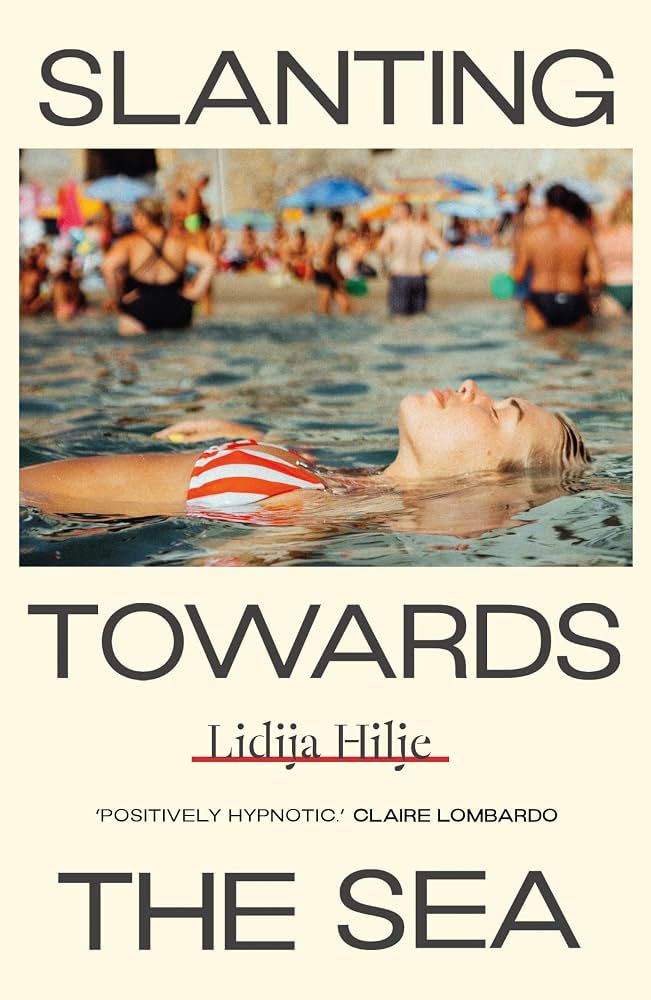
What did I think
The themes that stood out to me were self-sabotage, selfish sacrifice, and familial pressures. The book and characters felt realistically self-aware which at times felt jarring but points to a more relatable "coming of age" story where being in your 30s/40s doesn't mean you've got it all figured out.
"The bigger the love, the bigger the fights. Only I wasn't fighting Vlaho. I was battling myself."
pg. 40
"The fuller my hands are, the emptier my mind is."
pg. 59
You get taken through these core moments that are so defining that it makes you go "ahhh, that's why she's like that." It almost feels like you're just going through Ivona going through self-therapy as she identifies for us why she is the way she is, what she's going through, and how she comes out of the other end.
Like the moment that her dad threw her yellow boot. How her mom didn't protect her from that. How she wished her mom tried harder. How that yellow boot moment gets brought up again throughout the book.
"How easy it came to her to wash her hands of me!"
pg. 78
When she started her relationship with Vlaho, she saw him as the solution. The missing piece. But as she grows up, as they experience hardships together and a part, you follow along as she realizes that no matter how badly she wishes someone could fix her issues, save her from her depth and pain, they can't. Nobody can do those things for you except yourself. It's a lesson that isolates her at first but then makes her stronger and more ready to connect (with Asier).
Asier then reminds her that while men are capable, they cannot fix all of your issues. And I think that finalizes her understanding that she needs to do things herself—and so she does. This journey then takes her to realize that all the self sabotage/sacrifice that she's done, while it feels like it's for others, they were all HER choices.
"Because even conceding to someone else's wishes, giving in to meet someone else's needs—even sacrificing yourself—is a choice."
pg. 176
For the longest time, she idealized Vlaho, putting all the blame of their downfall on herself. But as a second chance with him comes around, his uncertainty reminds her what she's been ignoring all this time—he never gave her a solution. He stayed but he never helped. He let everything happen. That's not enough to sustain a partnership. It was never going to be enough.
I felt like Asier could've been developed more (he felt the least "realistic") but I had to remind myself that we're seeing the story unfold from Ivona's POV meaning Asier was never going to be that important of a character. So much of the story was just her holding herself back even though her ultimate goal had always been to change her idea of love learned from the dynamics of her parents.
There's this overarching theme of expectation and responsibility as well. Both Vlaho and Ivona are held back by the responsibilities they feel towards their parents. Ivona can't pursue her career goals because she has to care for her dad. Vlaho ended up having children to placate his mother. While they share this small life in Croatia in such close proximity, they end up solidifying their sense of self in such different ways.
"I cried because I was only nineteen and I was laready so tired of carrying around that jagged grain of loneliness on the inside that always threatened to cut me if I made a wrong turn. I cried because I had all this love inside me and it had nowhere to go."